Research Peptides

Retatrutide
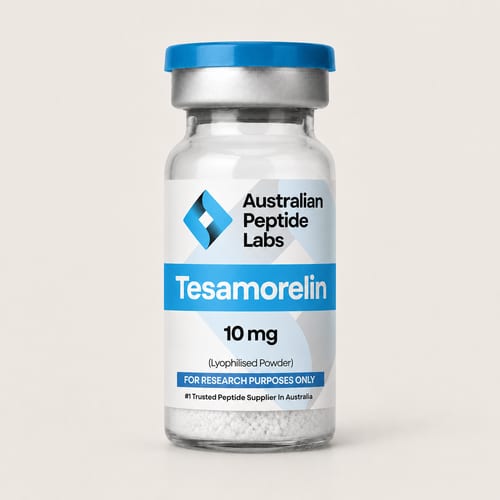
Tesamorelin

CJC + Ipamorelin
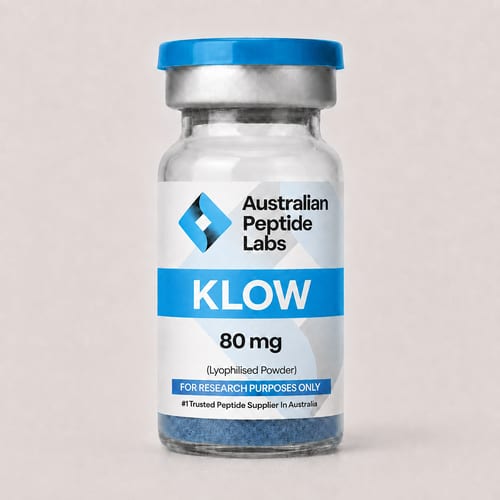
KLOW

BPC + TB-500
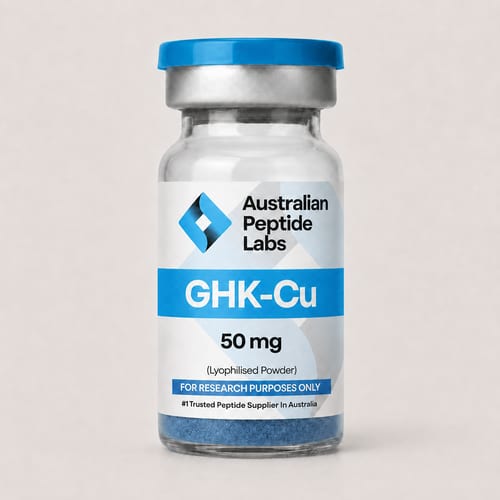
GHK-Cu

BPC-157
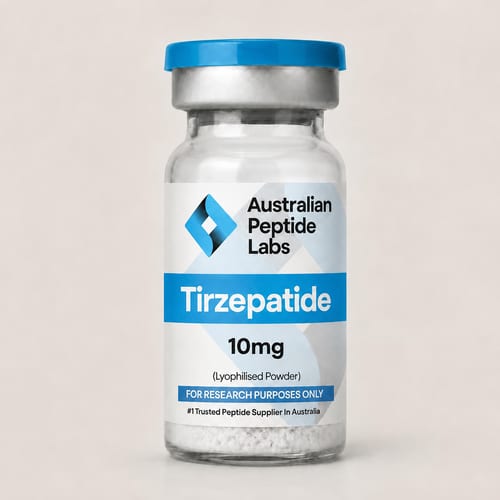
Tirzepatide
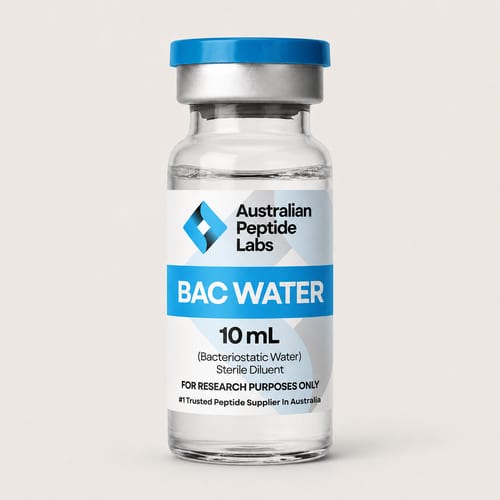
Bac Water
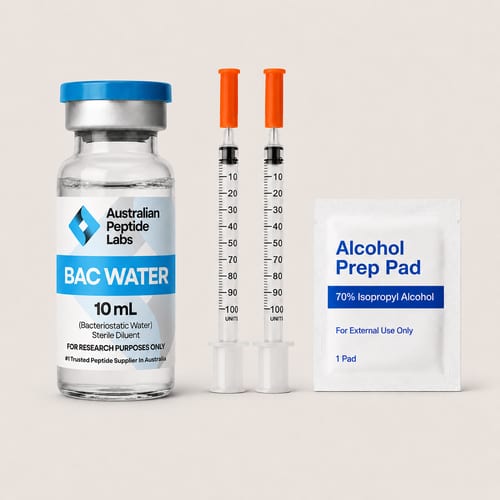
Research Starter Kit
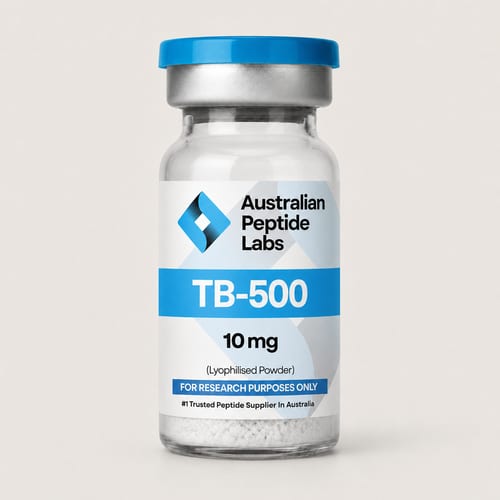
TB-500
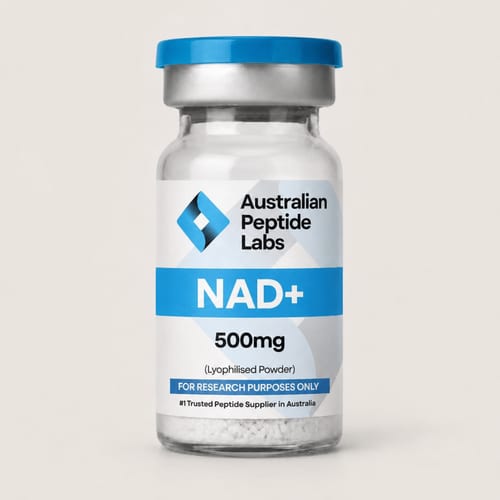
NAD+
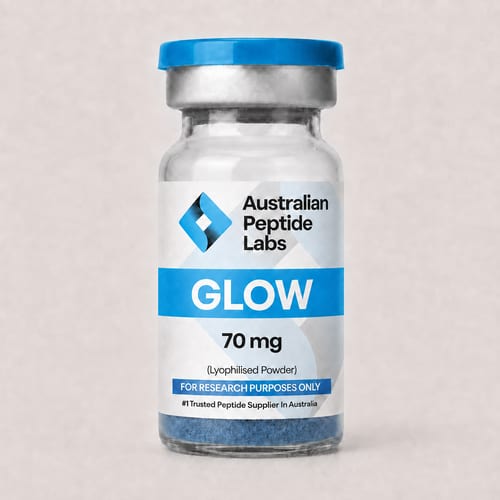
Glow Stack
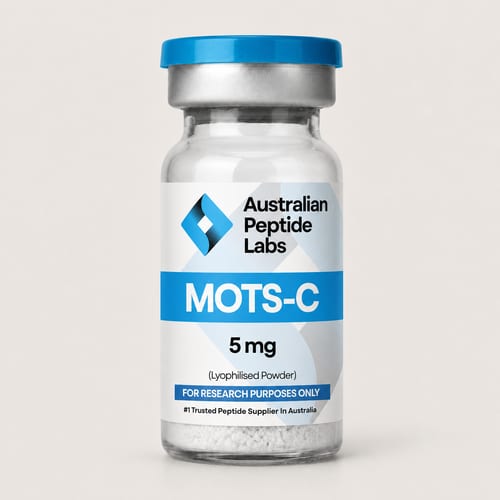
MOTS-C
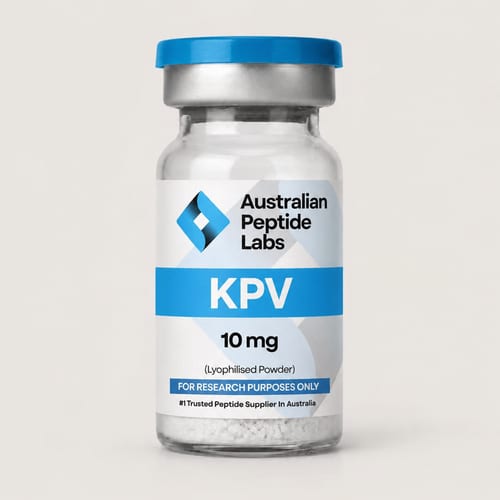
KPV
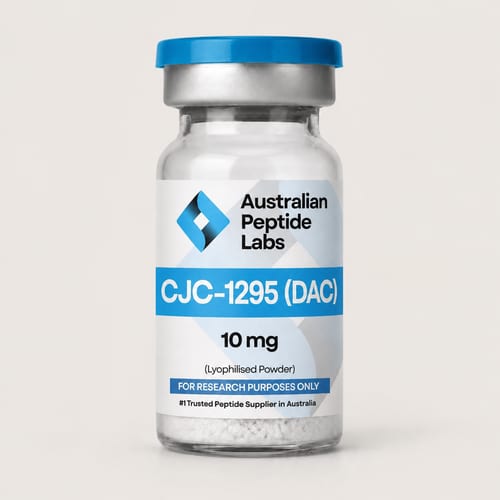
CJC-1295 (DAC)
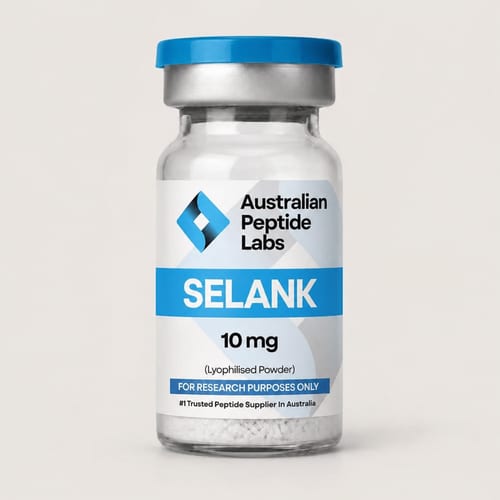
Selank
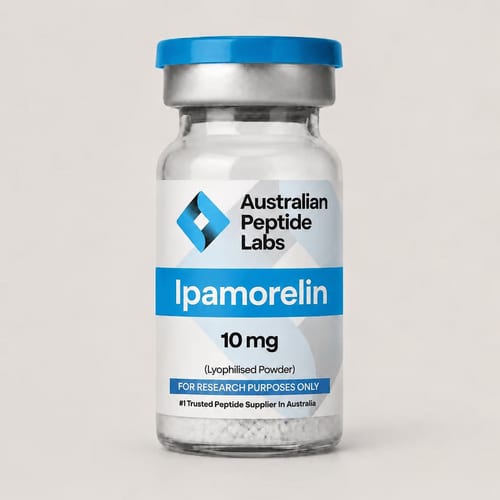
Ipamorelin
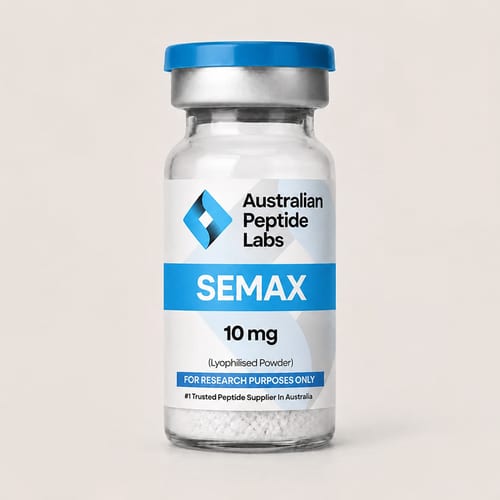
Semax
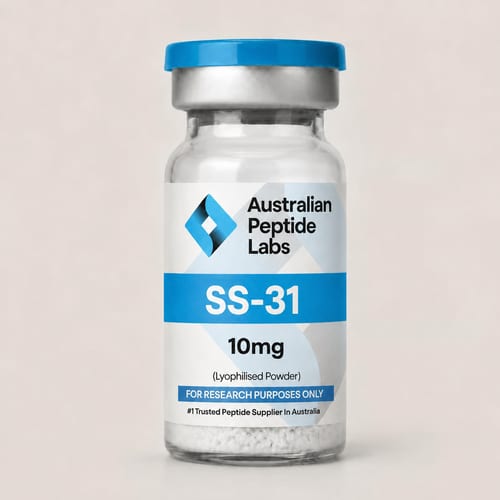
SS-31
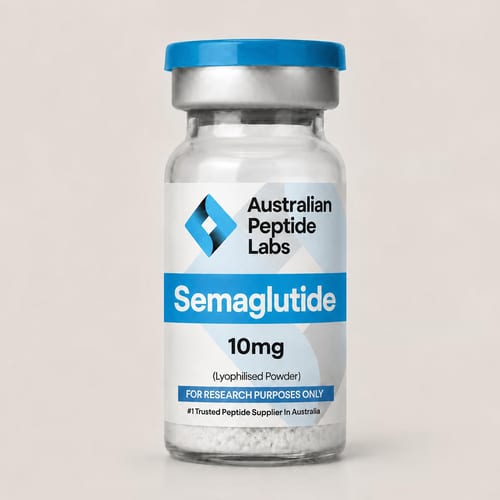
Semaglutide
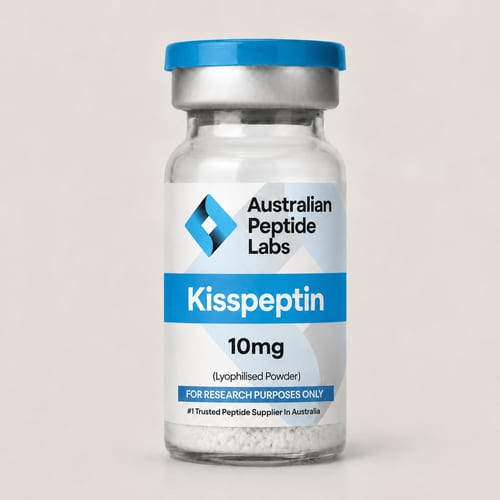
Kisspeptin
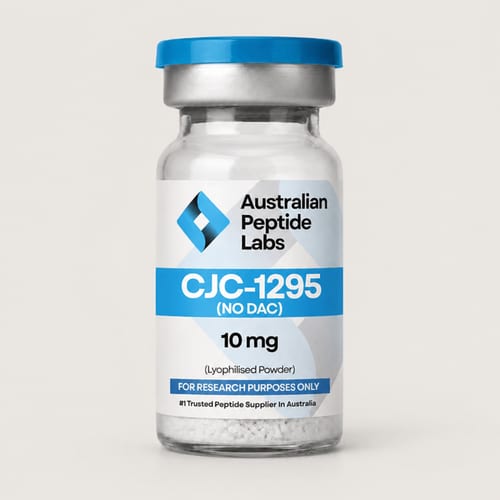
CJC-1295 (No DAC)
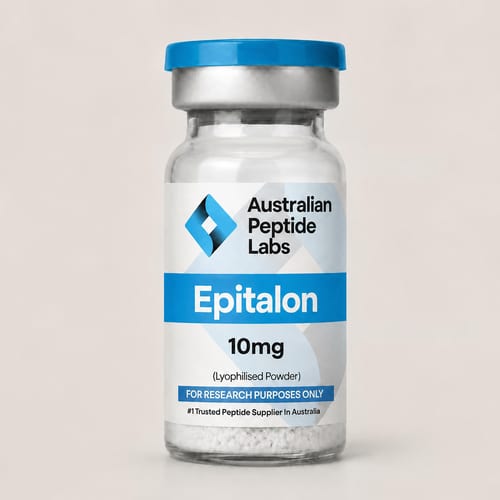
Epitalon
Buying Research Peptides in Australia
What "research grade" means
A peptide supplied for laboratory work is defined by what analysis can establish about it: its identity, its purity, and what makes up the remainder. Identity is confirmed by mass spectrometry, which measures the molecular weight of the material and compares it against the theoretical mass of the target sequence. Purity is quantified by reverse-phase HPLC and reported as the percentage of total peak area belonging to the target peak.
Neither figure means much alone. A high HPLC purity number describes only what the column was able to resolve — co-eluting impurities and stereoisomers can sit underneath the main peak and never be counted. That is why identity and purity are reported together, and why the analytical method matters as much as the number attached to it. Our HPLC quality control guide covers how the separation works and what a chromatogram can and cannot show.
We specify ≥98% purity across the catalogue — the High-Tier Research Grade band used for commercial research-use-only material. Whether that specification is the right one for a given application is a separate question — peptide purity grades covers when a higher grade is warranted and when it adds cost without adding experimental value. The impurities themselves are a product of how the material was made; our guide to solid-phase peptide synthesis explains where deletion sequences and truncated products come from.
How each batch is verified
Every batch is analysed in-house by HPLC and mass spectrometry, and every order ships with the Certificate of Analysis for the specific batch sent — not a generic specimen document. Select batches additionally undergo independent third-party purity verification.
The COA is the document that matters here. It records the batch number, the analytical methods used, the purity figure, the MS-confirmed molecular weight, and where tested, net peptide content and endotoxin levels. Understanding Certificates of Analysis walks through each field, including the red flags worth checking before material enters a protocol.
What the catalogue contains
The range covers single compounds, pre-combined blends for research involving more than one peptide, and the diluents needed to bring lyophilised material back into solution. Several compounds are offered in more than one vial size, which affects cost per milligram rather than the material itself — the specification is identical across sizes.
Diluent choice is not incidental. Bacteriostatic versus sterile water sets out why the preservative in bacteriostatic water permits repeated withdrawals from one vial while plain sterile water is single-use once broached, and which is appropriate for a given workflow.
Handling material on arrival
Peptides ship lyophilised — a freeze-dried solid that must be returned to solution before in-vitro work can begin. Reconstitution volume sets the final concentration, so the calculation is normally done before the vial is broached; our reconstitution best practices guide covers the procedure, and the reconstitution calculator handles the arithmetic.
Lyophilised material is stored at -20°C and reconstituted solution at 2–8°C, protected from light. Peptide storage and stability covers the degradation mechanisms that make those conditions matter and which sequence motifs are most vulnerable. If a shipment arrives with fully thawed cold packs, cold chain management explains how to assess it before it goes into storage.
Ordering and same day dispatch
Orders placed on a business day are dispatched the same day, domestically within Australia by express shipping, free on orders over $250 and $15 flat rate below that. Payment is by card, Apple Pay or bank transfer — see payment options. Compounds are supplied strictly for in-vitro laboratory research — they are not approved for human therapeutic use in Australia, and researchers are responsible for compliance with Therapeutic Goods Administration regulations and their own institutional protocols. We do not provide dosing or administration guidance.
Compound Research Guides
Frequently Asked Questions
Where can I buy research peptides in Australia?
Australian Peptide Labs supplies research peptides Australia-wide for in-vitro laboratory use. Browse the catalogue above; every order is dispatched same day, domestically, with a batch-specific Certificate of Analysis.
Are research peptides legal to buy in Australia?
The compounds we supply are sold strictly as research chemicals for in-vitro laboratory use — not for human or animal consumption. They are not approved for human therapeutic use in Australia, and researchers are responsible for compliance with Therapeutic Goods Administration (TGA) regulations and their institution's protocols.
What purity are your peptides?
We specify ≥98% purity — the High-Tier Research Grade (commercial RUO) standard. Every batch is analysed in-house by HPLC and mass spectrometry and ships with a Certificate of Analysis; select batches also undergo independent, third-party purity verification.
Does every order include a Certificate of Analysis (COA)?
Yes. Each batch ships with a batch-specific COA documenting HPLC purity and mass-spectrometry identity. Every certificate we have issued is published in full in our certificate library at australianpeptidelabs.com.au/certificates — find the compound, then match the batch number printed on your vial.
Do you provide dosing or administration guidance?
No. As these compounds are supplied for laboratory research only, we do not provide dosing or administration protocols. Our research library covers reconstitution and concentration calculations for in-vitro work.